Protecting My Mother’s Lake House: A Story of Legacy and Respect
When my mother passed away, she left me her cherished lake house — a sanctuary filled with our shared memories and moments that shaped my childhood. The lake house was more than just a property; it was a sacred space, a place where I could feel close to her even after she was gone. I maintained it carefully, visited periodically, and treated every corner with the respect it deserved.
From the very beginning, I made it clear that the house was off-limits to anyone else. After all, it was my mother’s legacy — a reflection of her life, her tastes, and her spirit — and I intended to honor it.
A Step Into Disrespect
Life changed when my father remarried. My stepmother, Carla, often made subtle remarks about my mother’s lifestyle and redecorated our family home without regard for my mother’s memory. While I tried to stay out of conflict, I knew I had to protect the lake house from similar treatment.
Everything seemed peaceful for a time. I visited the lake house on special occasions, especially on the anniversary of my mother’s passing. It was a day for reflection, remembrance, and quiet solitude. But one year, when I arrived expecting a private visit, I found chaos.
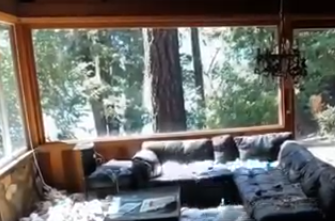
Several cars were parked outside. Music blared from speakers. Through the windows, I could see Carla hosting a party with friends. They were laughing, mocking my mother’s personal items, and using the house as though it were a vacation rental.
I quickly realized that Carla had taken a key without permission. My initial instinct was anger, but I knew confrontation in that moment would do little to solve the problem. I quietly left and decided to take measured action instead.
Gathering Evidence
With the help of a lawyer, I collected security footage from the lake house. The recordings clearly showed Carla entering the property, hosting guests, and handling personal items without care or respect. The videos also captured mocking comments about my mother’s possessions, confirming my concerns.
Text messages further revealed that Carla had taken the key under the guise of “helping” with minor tasks — a pretense that covered her unauthorized access.
Having this evidence allowed me to protect the property legally, ensuring the lake house remained in my control and that my mother’s legacy would not be disrespected further.
Taking Legal Action
The legal process was straightforward once the evidence was gathered. Carla faced the consequences of her actions and eventually moved out of my father’s home. The resolution brought a sense of closure and reinforced the importance of protecting what mattered most to me.
Through the process, my father came to understand the emotional significance of the lake house. It wasn’t simply a building or a collection of belongings; it was a sacred space that held the memory and spirit of his late wife — my mother.
Restoring Peace
After the legal matters were settled, I restored the lake house with care and attention. Each corner, each item, and each decoration was returned to its place as a tribute to my mother. The house regained its peaceful, reflective energy, and I could visit without fear that it would be disrespected again.
The experience taught me a valuable lesson: sometimes calm, deliberate action is more powerful than confrontation. Protecting what is sacred requires patience, strategy, and perseverance.
Honoring a Legacy
Today, the lake house remains a sanctuary. Every visit is an opportunity to remember my mother and honor her life. It continues to serve its purpose as a space for reflection, family, and connection.
I’ve learned that protecting a legacy isn’t just about possession — it’s about respect, boundaries, and ensuring that what matters most endures for future generations.
The lake house stands as a testament to my mother’s spirit, and I am proud to keep it safe, exactly as she would have wanted.