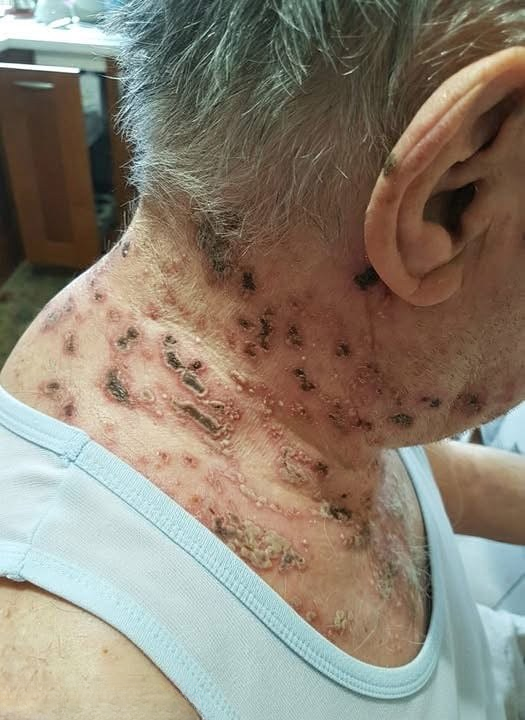
Herpes zoster, more widely known as shingles, is often described by medical professionals as a condition that strikes quietly but can leave lasting consequences. While many people associate shingles with a painful rash, the reality is more complex. It is not simply a skin problem—it is the reactivation of a virus that has been living silently inside the body, sometimes for decades.
Shingles develops from the same virus that causes chickenpox: the varicella-zoster virus. After a person recovers from chickenpox, the virus does not disappear. Instead, it retreats into the nervous system, settling in clusters of nerve cells near the spinal cord and brain. There it remains dormant, sometimes for a lifetime. However, when the immune system becomes weakened—due to age, illness, stress, or certain treatments—the virus can reactivate. When it does, it travels along nerve pathways to the skin, causing inflammation, nerve pain, and a characteristic rash.
Understanding how shingles begins, progresses, and can be prevented is essential for reducing complications. Early recognition and timely treatment can make a significant difference in recovery outcomes.
What Exactly Is Shingles?
Shingles, medically referred to as Herpes zoster, is a viral infection that affects nerves and the surrounding skin. It results from the reactivation of the varicella-zoster virus—the same virus responsible for Chickenpox.
After someone recovers from chickenpox, usually during childhood, the virus lies inactive in sensory nerve ganglia. The immune system typically keeps it under control. However, immune defenses naturally decline with age, and certain health conditions or medications can weaken them further. When immune surveillance decreases, the virus may reactivate and travel along a single nerve pathway to the skin.
This explains one of the most distinctive features of shingles: it usually appears on one side of the body, following a narrow band called a dermatome. This one-sided pattern is an important diagnostic clue.
The Subtle Beginning: The Prodromal Phase
One of the reasons shingles is sometimes called a “silent” condition is because it rarely starts with an obvious rash. Instead, it begins with what doctors call a prodromal phase.
During this early stage, individuals may experience:
-
Tingling or numbness
-
Burning or stabbing pain
-
Sensitivity to touch
-
Mild itching
-
Localized discomfort along one side of the body or face
These sensations can appear several days before any visible rash develops. Because there is no skin eruption yet, many people mistake the symptoms for muscle strain, back problems, headaches, or minor skin irritation.
This delay in visible signs can lead to delayed diagnosis—and that delay can increase the risk of complications.
The Critical 72-Hour Window
Medical experts consistently emphasize one crucial point: the first 72 hours after the rash appears are extremely important.
During this period, antiviral medications such as acyclovir, valacyclovir, or famciclovir can significantly reduce the severity and duration of the illness. These medications work by limiting viral replication. When started early, they help:
-
Shorten the outbreak
-
Reduce nerve inflammation
-
Decrease pain intensity
-
Lower the risk of long-term complications
If treatment begins after the 72-hour window, the effectiveness may be reduced. While antivirals can still provide benefits, the protective effect against lasting nerve damage is strongest when therapy is initiated promptly.
This narrow treatment window is why healthcare providers encourage individuals to seek medical attention immediately if they notice unusual, one-sided pain followed by a rash.
Why Shingles Is More Than a Rash
Although the rash is the most visible symptom, shingles is fundamentally a nerve disorder. As the virus multiplies within the nerve, it causes inflammation and damage to nerve fibers. The skin eruption is simply the outward sign of what is happening internally.
The rash typically appears as clusters of fluid-filled blisters on a red base. These blisters eventually crust over and heal within two to four weeks. However, nerve tissue heals more slowly—and sometimes not completely.
Older adults are at greater risk of severe complications because immune function naturally declines with age. People undergoing cancer treatment, living with autoimmune disorders, or taking immune-suppressing medications are also more vulnerable.
Postherpetic Neuralgia: A Long-Term Complication
One of the most serious complications of shingles is postherpetic neuralgia (PHN). This condition occurs when nerve damage persists after the rash has healed, leading to ongoing pain in the affected area.
PHN pain is often described as:
-
Burning
-
Stabbing
-
Electric shock-like
-
Throbbing
-
Hypersensitive to touch
In some cases, even light clothing brushing against the skin can cause intense discomfort. The condition can last months, years, or occasionally longer.
PHN can significantly impact quality of life. Sleep disturbances, mood changes, reduced mobility, and emotional distress are common among those affected. Early antiviral treatment reduces the likelihood of developing PHN, highlighting again the importance of prompt care.
Location-Specific Risks
The severity of shingles can depend on which nerve is involved.
Eye Involvement
When shingles affects the ophthalmic branch of the trigeminal nerve, it can impact the eye. This form is called Herpes zoster ophthalmicus. It can cause:
-
Eye redness and inflammation
-
Corneal damage
-
Vision impairment
-
In rare cases, permanent vision loss
Immediate medical treatment is critical in these cases to protect eyesight.
Facial and Ear Involvement
If the virus involves facial nerves near the ear, it can lead to Ramsay Hunt syndrome. Symptoms may include:
-
Facial weakness or paralysis
-
Hearing loss
-
Dizziness
-
Ear pain
-
Altered taste perception
Prompt antiviral therapy and sometimes corticosteroids are used to reduce the risk of long-term complications.
Who Is Most at Risk?
While anyone who has had chickenpox can develop shingles, certain groups face higher risk:
-
Adults over age 50
-
Individuals with weakened immune systems
-
Cancer patients undergoing chemotherapy
-
Organ transplant recipients
-
People experiencing chronic stress
-
Individuals living with autoimmune conditions
Age remains one of the strongest risk factors. As immune function declines naturally, the likelihood of viral reactivation increases.
Prevention Through Vaccination
One of the most effective advances in shingles prevention has been vaccination. The recombinant zoster vaccine Shingrix has significantly reduced the incidence of shingles and postherpetic neuralgia in vaccinated adults.
Health authorities recommend vaccination for adults over 50, even if they have previously had shingles. The vaccine strengthens immune defenses, making it far less likely that the dormant virus will reactivate.
Vaccination does not contain live virus capable of causing shingles. Instead, it stimulates the immune system to recognize and suppress the varicella-zoster virus more effectively.
Early Recognition Saves Suffering
The key takeaway is simple but powerful: shingles is time-sensitive.
If you experience unexplained, localized, one-sided pain—especially if followed by a rash—seek medical evaluation immediately. It is better to rule out shingles than to delay treatment and increase the risk of complications.
Prompt antiviral therapy can:
-
Shorten the outbreak
-
Reduce nerve damage
-
Lower the risk of chronic pain
-
Prevent serious complications affecting vision or hearing
A Disease With a Long Memory
Shingles serves as a reminder that past infections can leave a lifelong imprint on the body. The virus responsible for a childhood illness may remain dormant for decades before reactivating.
While the condition can be painful and disruptive, medical science now offers tools for both prevention and effective management. Vaccination, early diagnosis, and timely antiviral treatment have transformed outcomes for millions of people.
The most important message is awareness. Recognizing the early signs and respecting the 72-hour treatment window can mean the difference between temporary discomfort and long-term nerve damage.
If unusual tingling, burning, or a one-sided rash appears, do not ignore it. Early medical care is the safest way to prevent shingles from becoming a prolonged and painful condition.